The NFL has stretched its holiday schedule into a multi-day event. The report describes a Wednesday Thanksgiving Eve game, the league's first, which the Rams won 26-13 over the Packers. The league plans to make that game an annual event. Fans who enjoy the spectacle should notice what the league is actually building: more inventory, more windows, and more reasons to keep a betting slip open across an entire week.
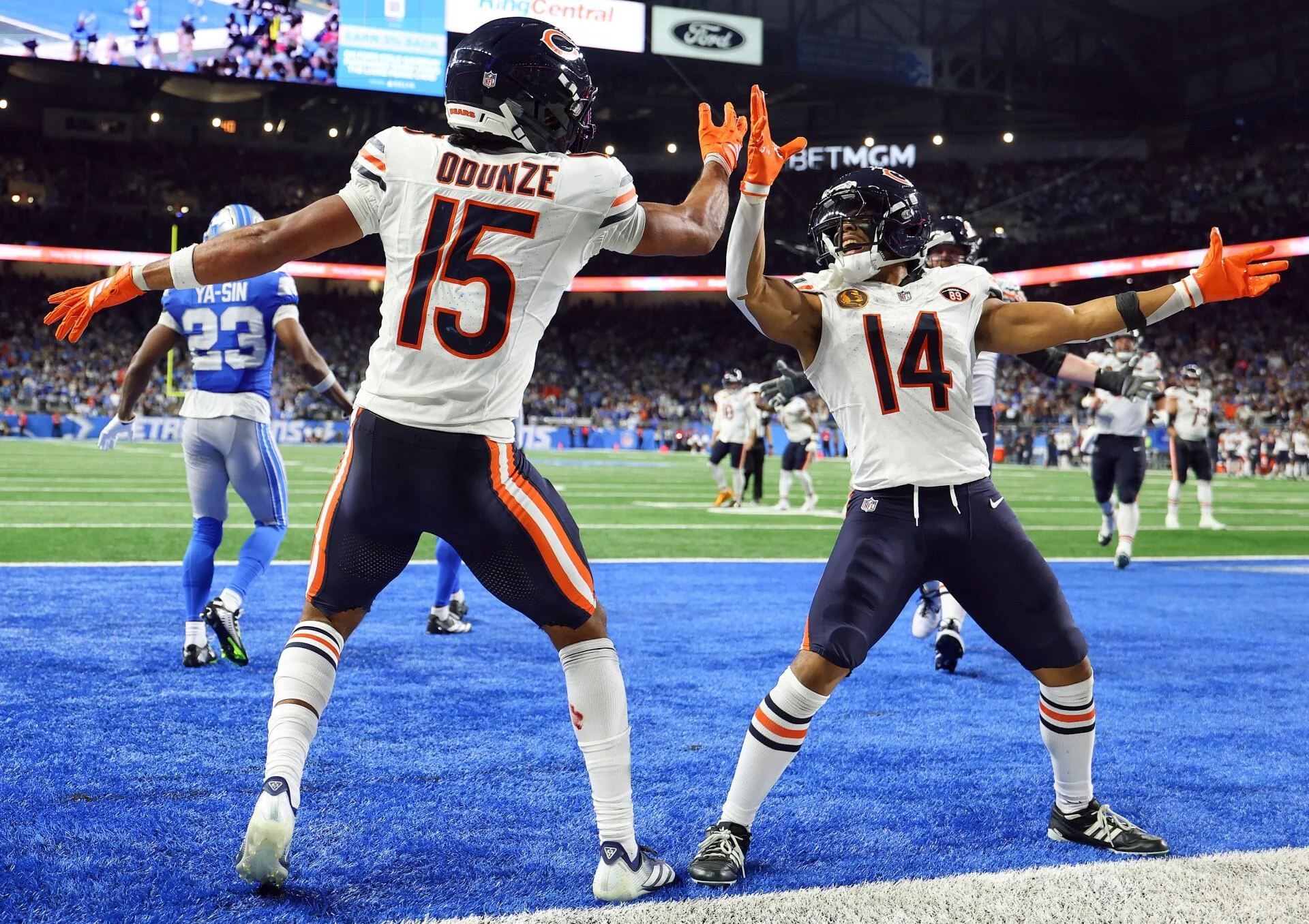
The Thanksgiving day games were, by the report's account, close to unbelievable. All three were decided by a game-winning score in the final five seconds, a first for the holiday in NFL history. In Detroit, the Bears beat the Lions 39-35 after Caleb Williams threw a touchdown pass to Rome Odunze with three seconds left. The two teams combined for 1,007 yards, the second-most ever in a Thanksgiving game. Those are remarkable numbers, and remarkable games are exactly what sportsbooks and media partners want to sell.
The most striking detail is Dallas. The report says the Cowboys led the Eagles 31-10 and lost 39-38, the largest blown lead on Thanksgiving in NFL history. It also notes Dallas became the first team to blow a lead of 14 points or more in the fourth quarter twice at home in a single season. A collapse like that tells a bettor and a fan a great deal about volatility, and it should also prompt a harder question: why does the league keep scheduling its most dramatic moments for audiences who are being pushed toward wagering on each one?
The Buffalo game offered a different lesson. The report says a steady rain and temperatures under 40 degrees turned a planned shootout into a 13-10 defensive game, with Buffalo winning. Josh Allen is now 4-0 on Thanksgiving, according to the report. Weather is a reminder that outcomes depend on conditions that no pregame model fully controls.
The league should treat this expansion with more caution. A Thanksgiving Eve game and a full holiday slate are not inherently wrong, but the NFL should be transparent about how gambling partnerships shape its scheduling and promotion. Fans deserve fair coverage that does not treat every final-second finish as an invitation to bet. The best next step is simple: publish clearer disclosures around holiday marketing and let the football stand on its own.