The hot stove is burning early, and the first wave of mid-November signings offers fantasy managers a useful lesson: a contract often says more about the market than about a player's future production.
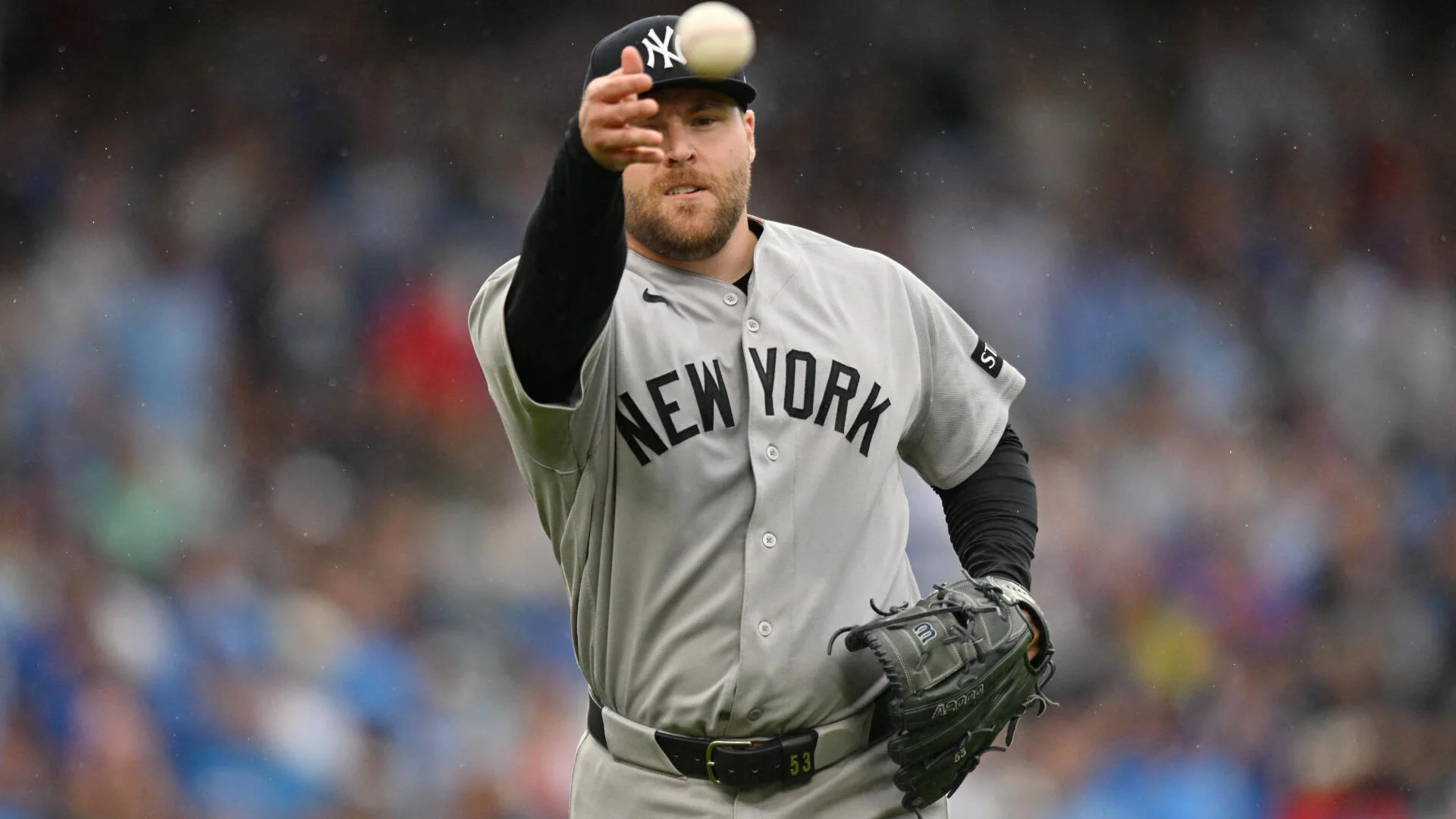
David Bednar's return to the Yankees is the clearest example. Chris Towers argues that Bednar still looks like a top-12 closer, citing a higher swinging-strike rate in 2026 despite a lower strikeout rate. That is a reasonable case for drafting him as a primary source of saves, even if he is not elite. The risk over his age-32 season is real, but the role appears secure.
The bigger caution comes from Alex Bauers. Scott White notes that his expected home run total at Fenway Park was only 18, tied for worst among all 30 venues, and that the Red Sox already have a crowded outfield picture involving Willson Contreras, Roman Anthony, Wilyer Abreu and Jarren Duran. The $58 million over four years looks generous for a player whose breakout may not travel. White's view is that the signing amplifies skepticism about a late-career surge, and I agree.
Dustin May's $50 million deal to the White Sox shows the same pattern. Towers points to a career 4.12 ERA and two mid-rotation seasons, which makes him a useful filler but not a fantasy engine. Managers should resist drafting him for upside the record no longer shows.
The lesson is simple: wait for role clarity before paying for it. Early signings will keep coming, but the managers who win these offseasons will be the ones who separate contract headlines from fantasy value.