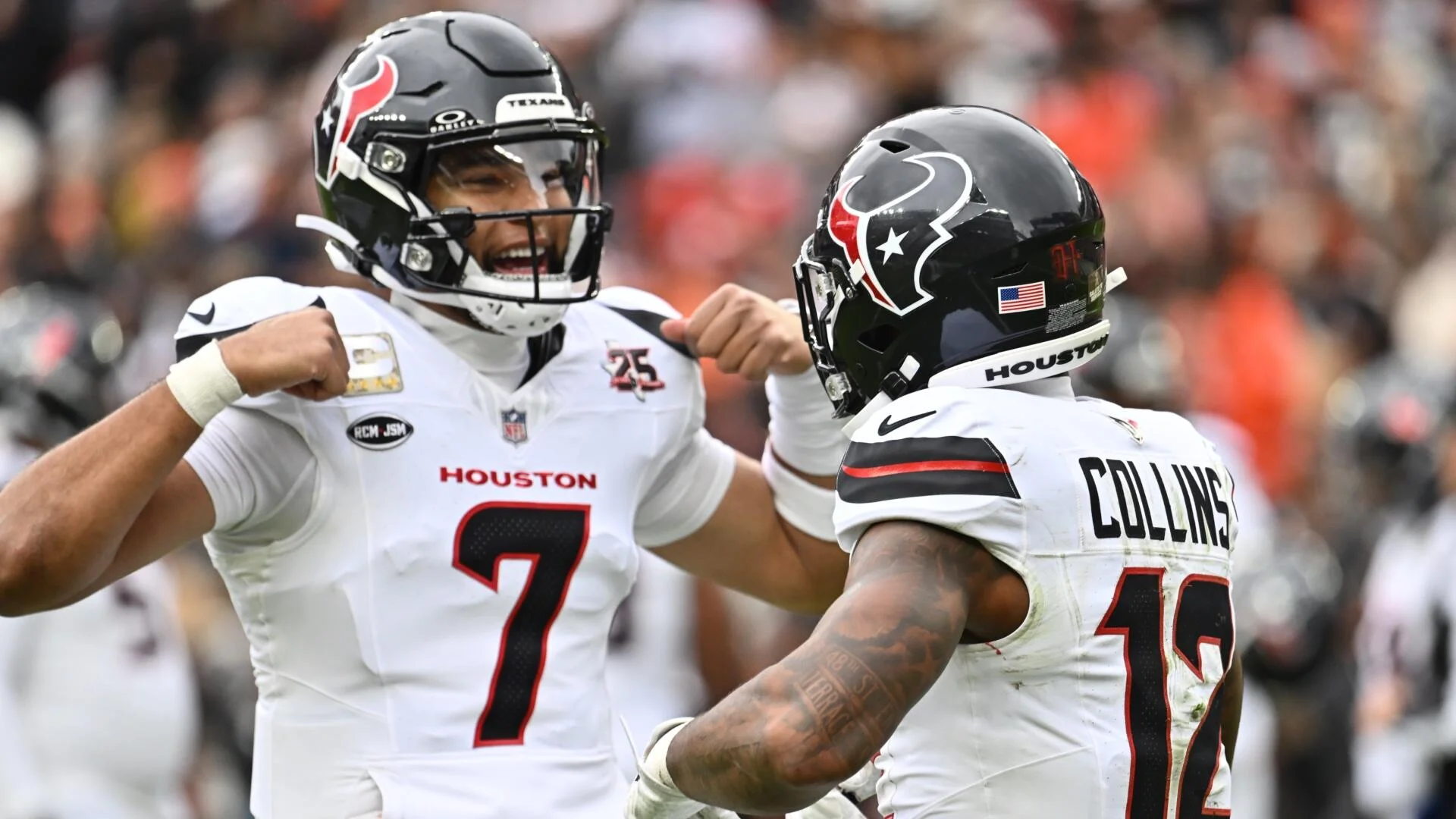
Stacking winning weeks always feels good, and the report is proud of a 9-5 against-the-spread mark in Week 10 after a strong Week 9. But the record that matters is the season-long one. After 10 weeks, the column sits at 68-79-3 against the spread, still under .500 and still digging out of a deep hole. A two-week run does not erase that. It is a reason for cautious optimism, not a victory lap.
The column's pattern is a problem worth naming. Nearly every pick comes with a confident verdict, from a blowout in Arizona to a Broncos 'big' result, and the reasoning often rests on a single factor: a backup quarterback, a bye week, or a team that 'lost some luster.' Some of these reads are sensible. Chicago's improved defense and the Bills' recent defensive play are plausible points. Others are asserted rather than shown, and the report offers no way for readers to check how often these specific logics have worked this season.
The bigger issue is how the column frames uncertainty. Phrases like 'the dogs might be barking' and 'Carolina wins it late, but it's close' sound decisive while leaving room to claim credit either way. A useful picks column would state a clear confidence level for each game and track those calls publicly. Readers who bet on this advice deserve to know whether a confident pick has been right more often than a close one.
The writer should keep the record visible, including the weeks that went badly, and explain what changed in the process that produced a 9-5 week. Hot streaks are noise until they persist. If the column wants trust, its next step is transparency about method, not another round of confident predictions.